Music Method Book
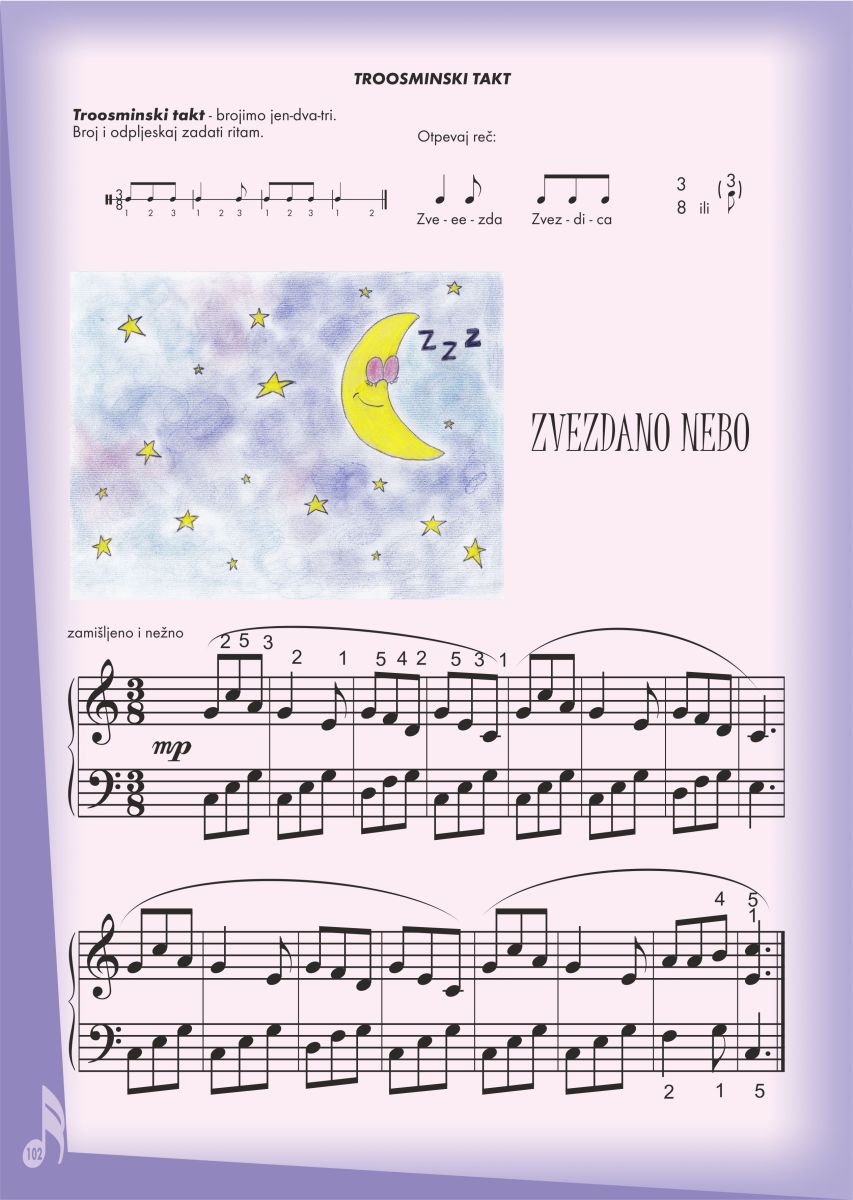
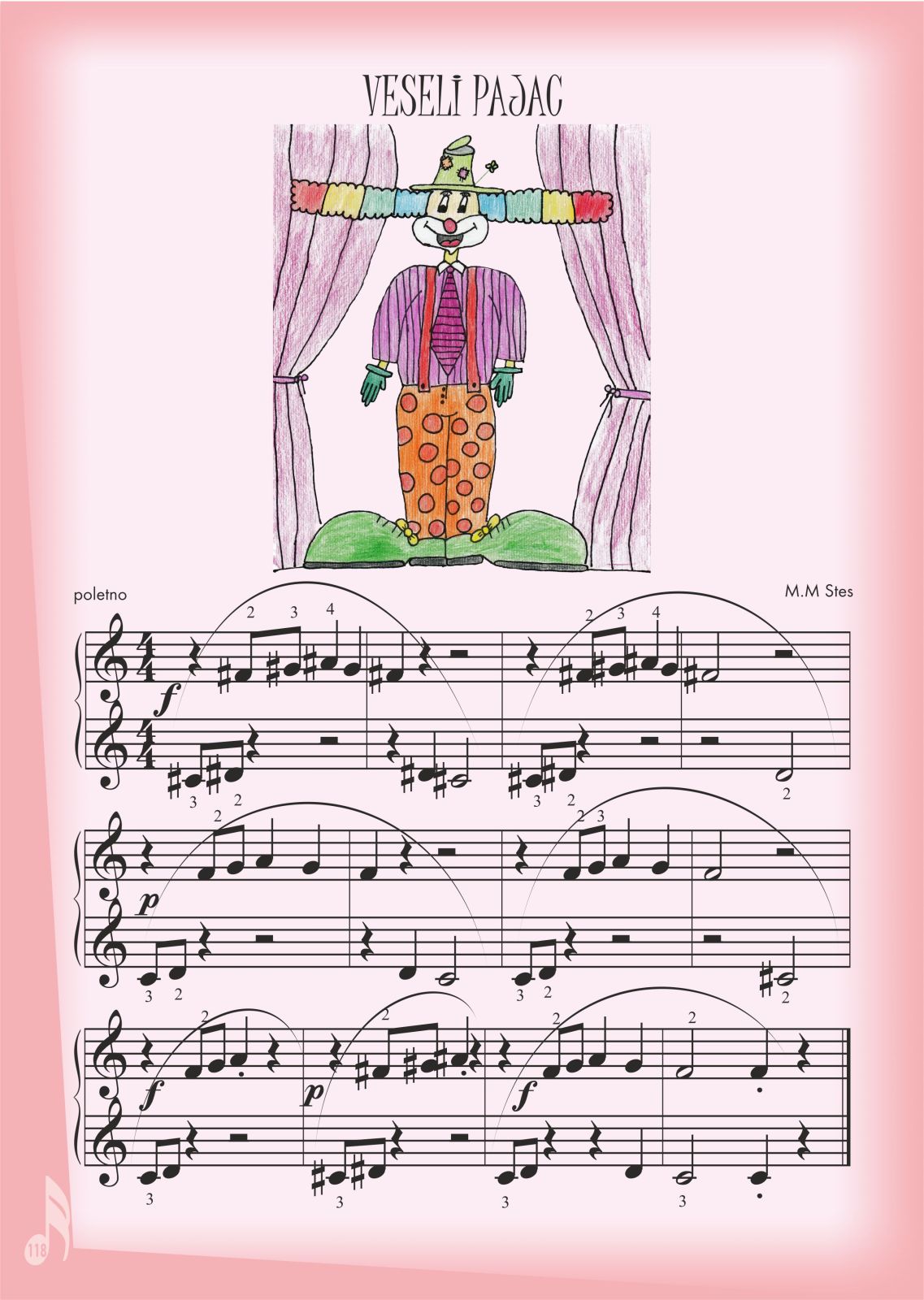
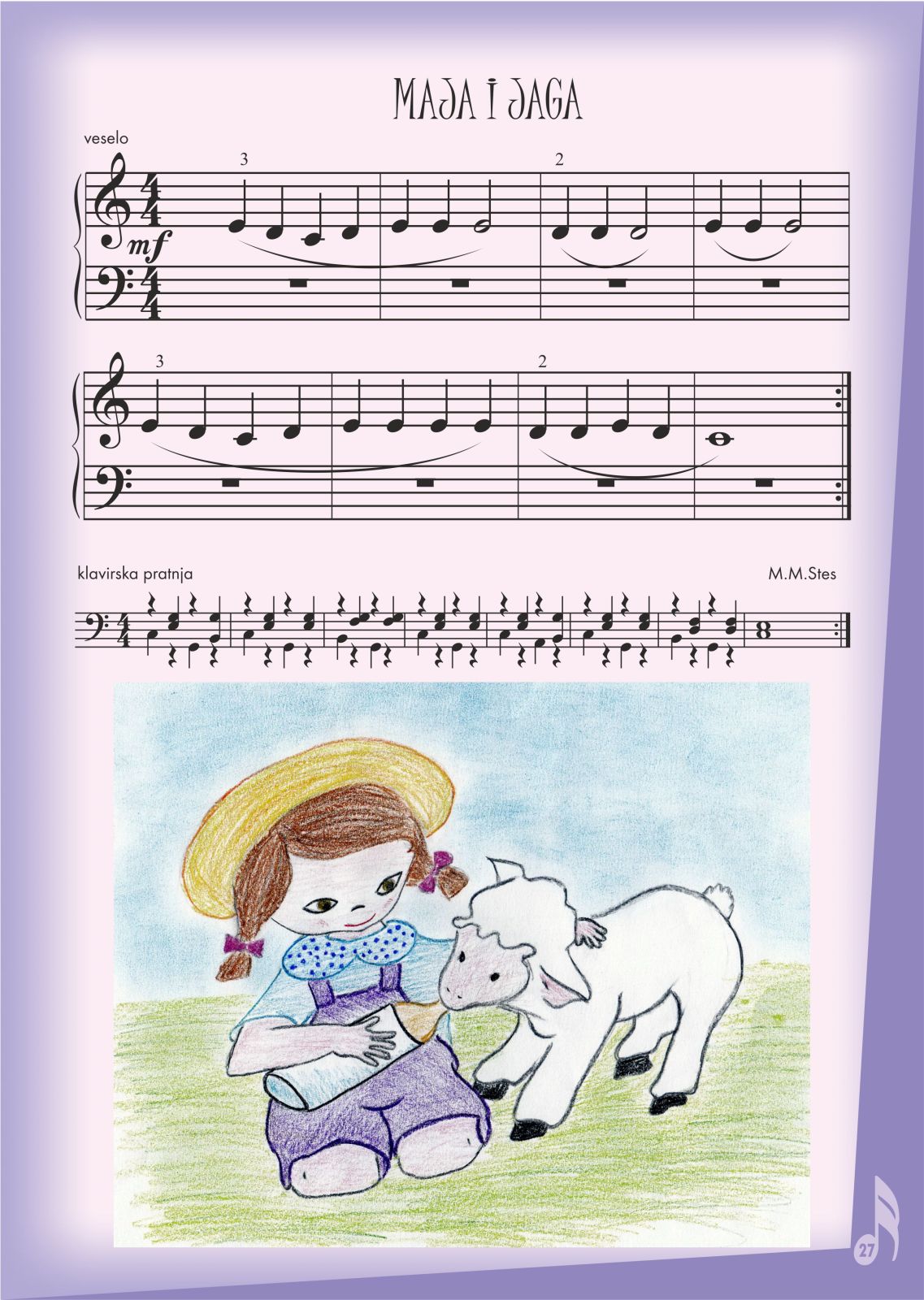
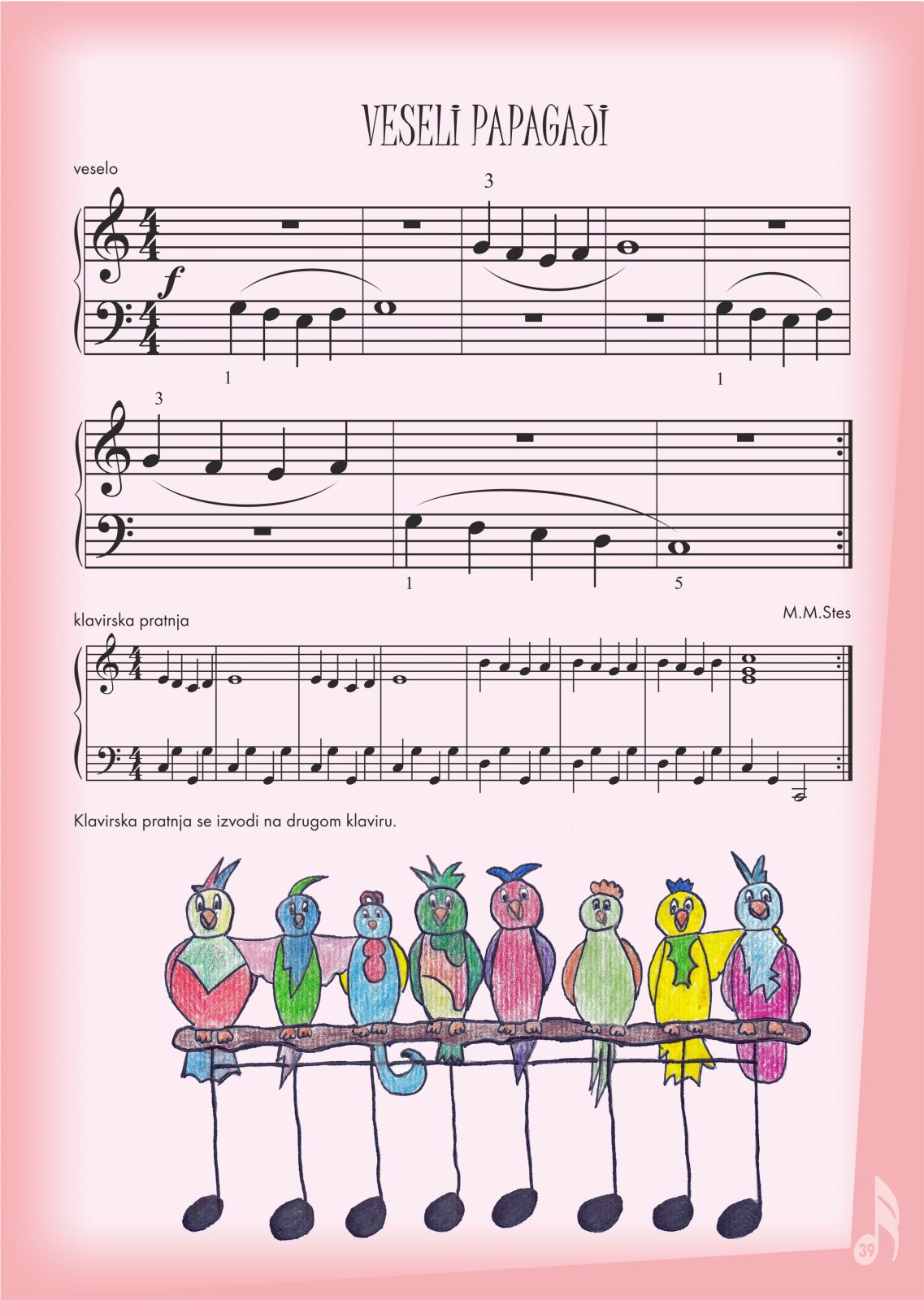
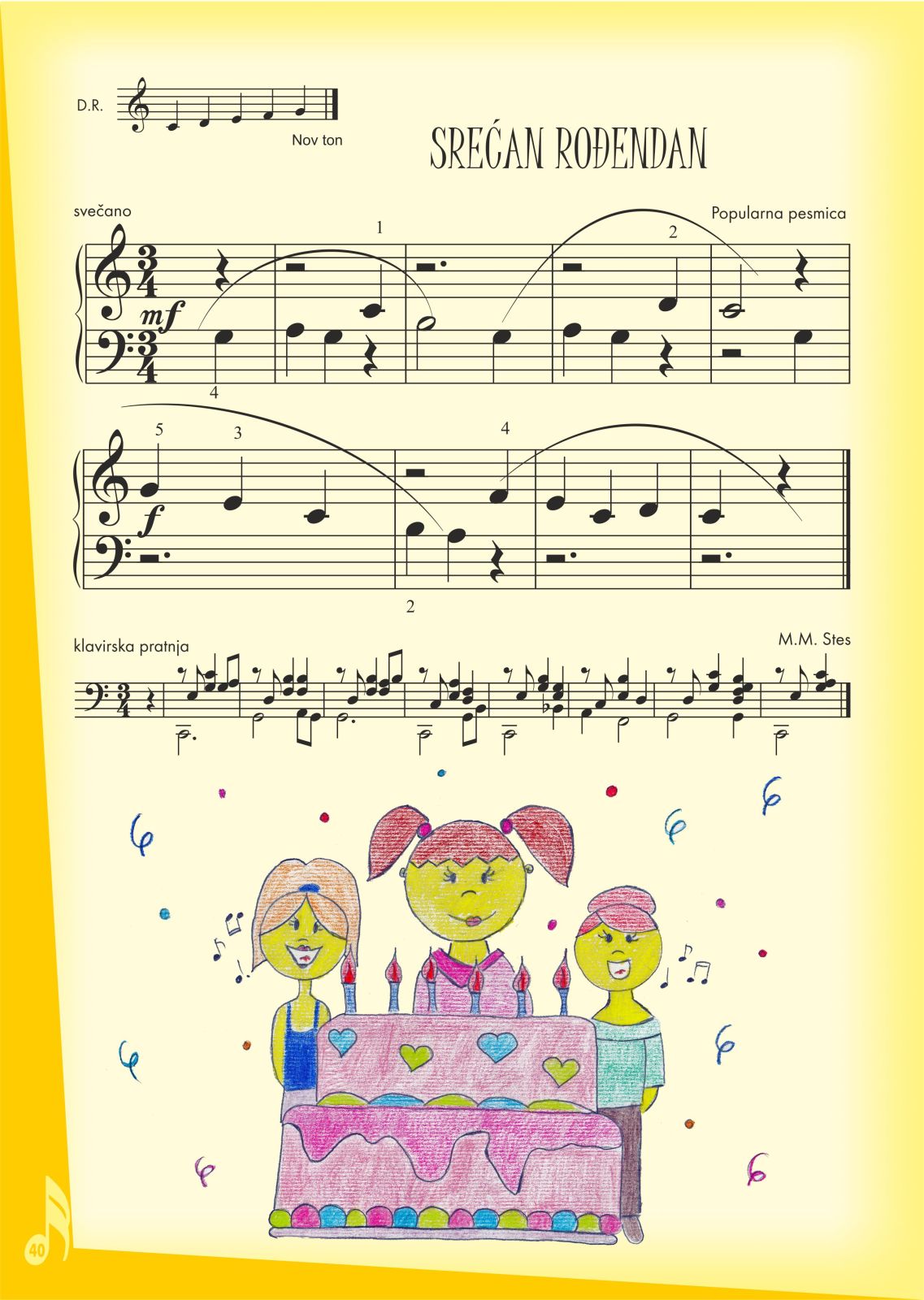
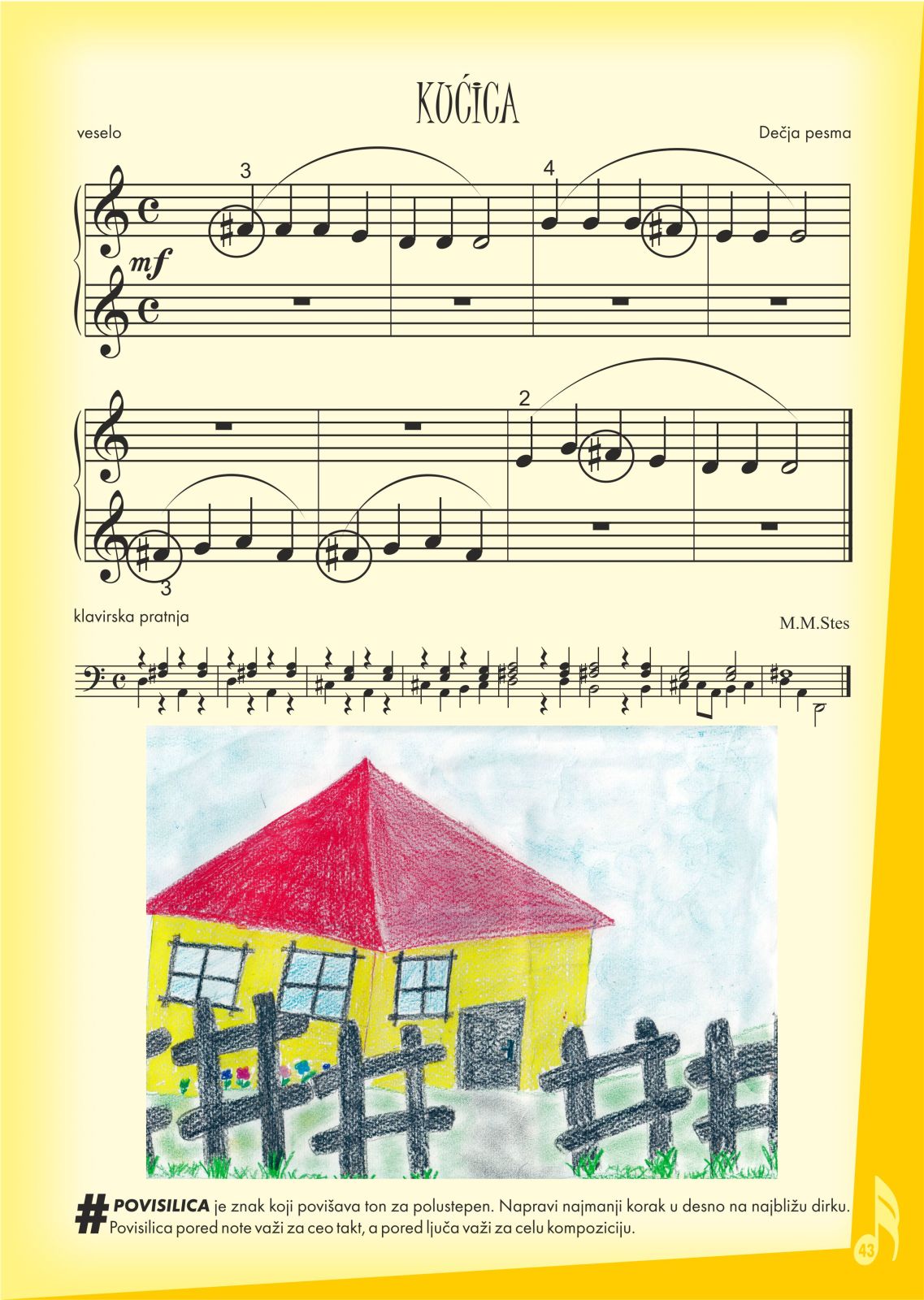
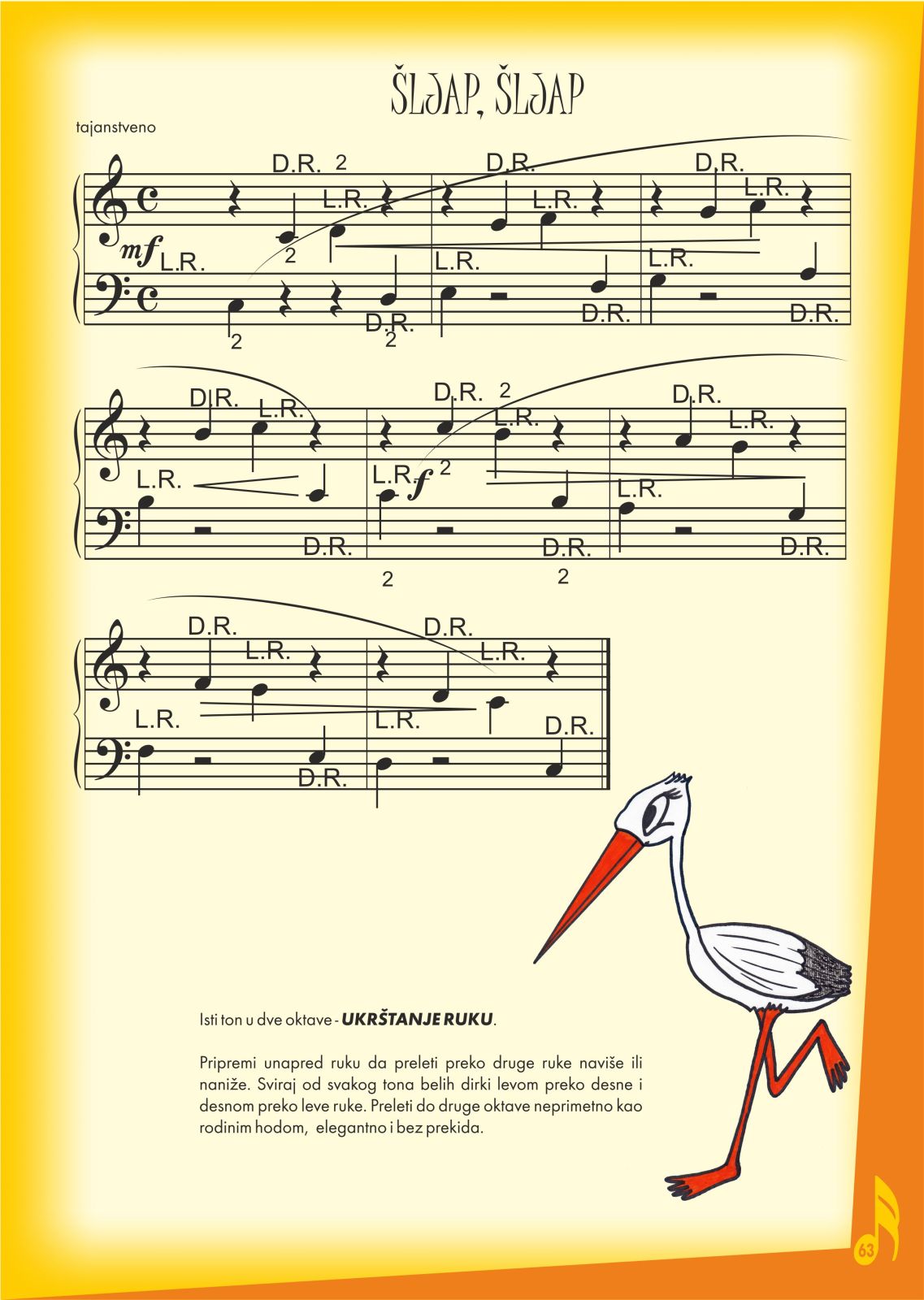
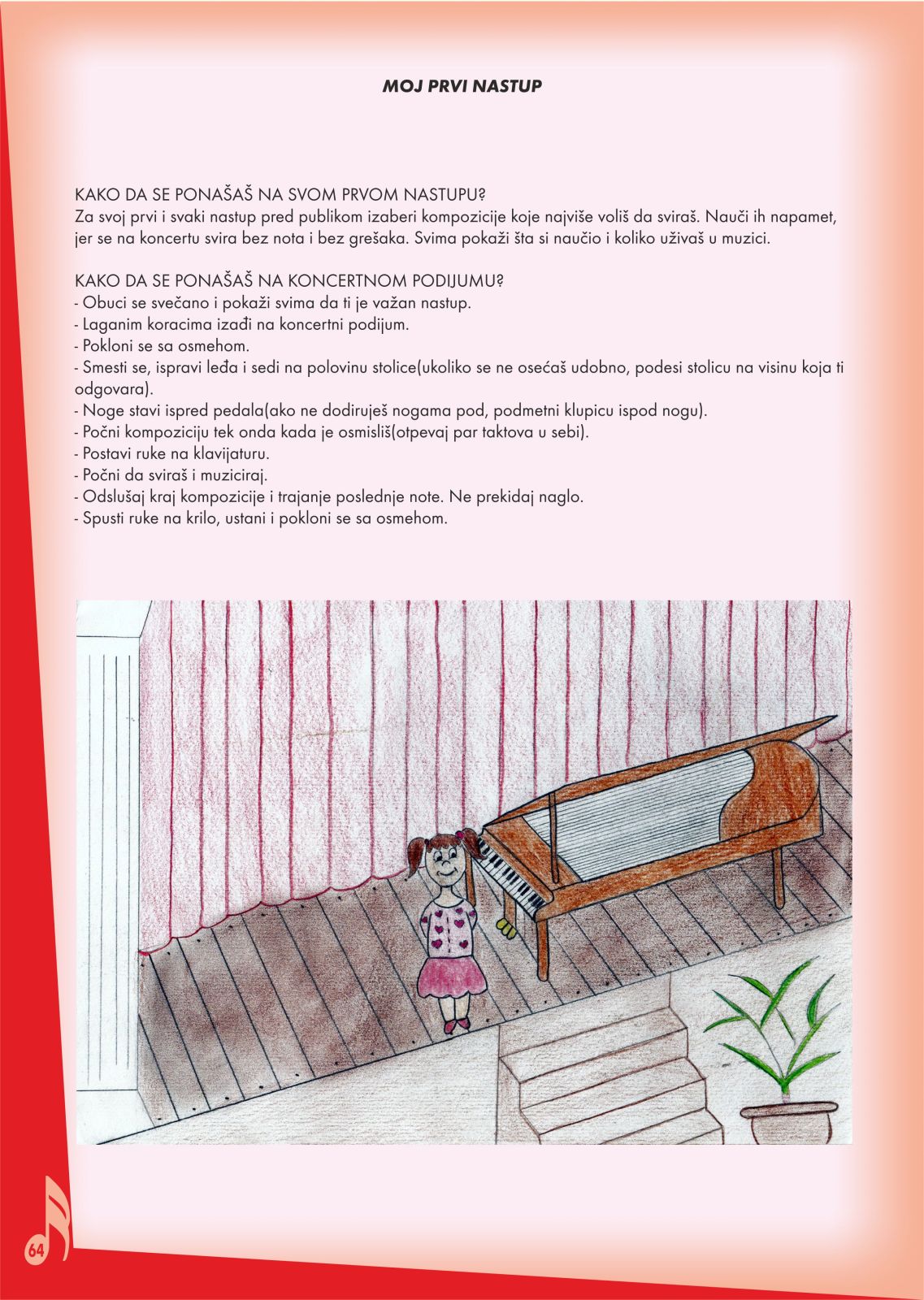
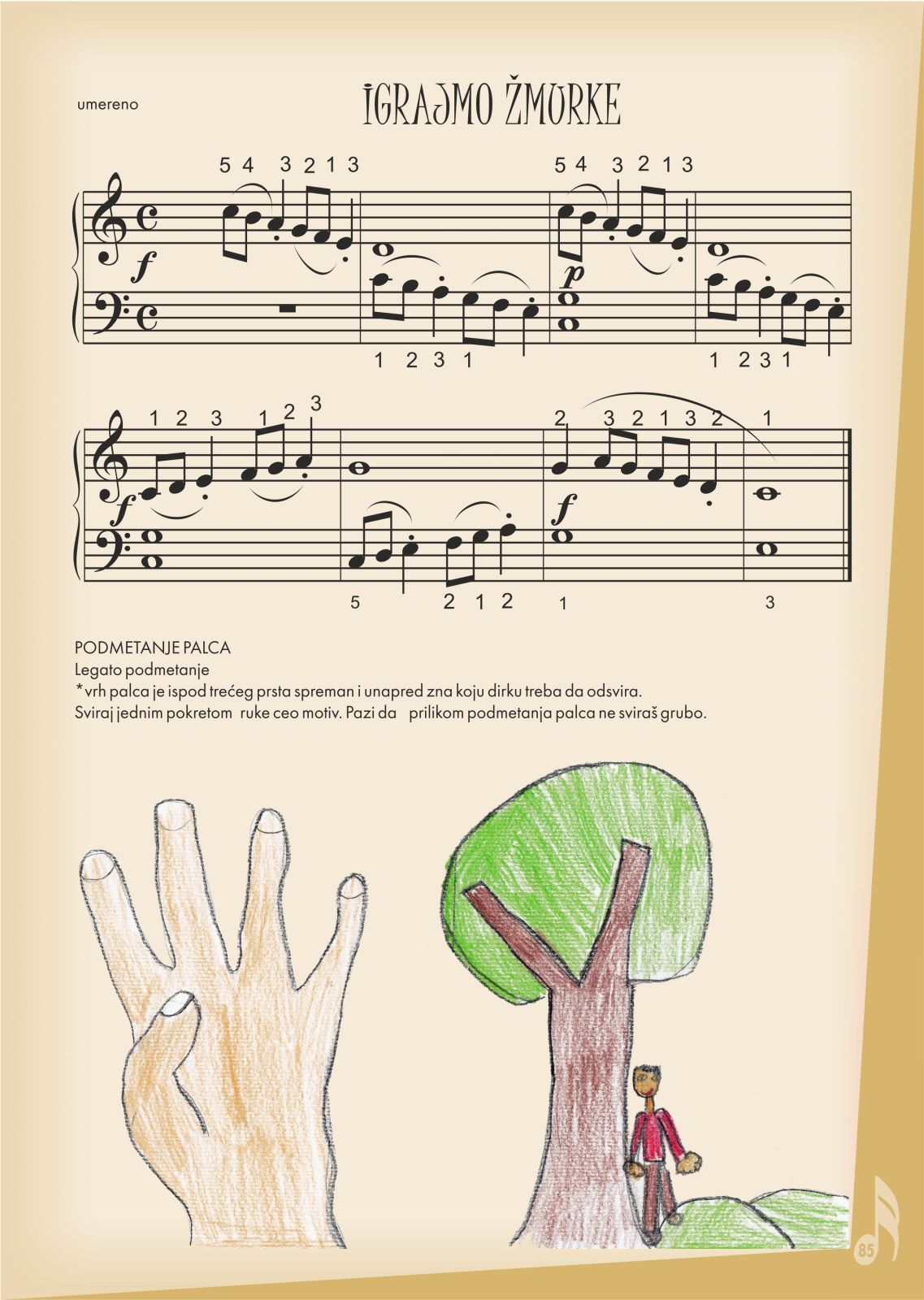
Piano Thoughts by and for Kids book is an original pedagogical vision that emerges from practical and visual work with children. The aim of the new methodology is to present new possibilities for approaching music supported by a creative process through composing and with the help of children’s expression through drawings, depicting music exercises and compositions.
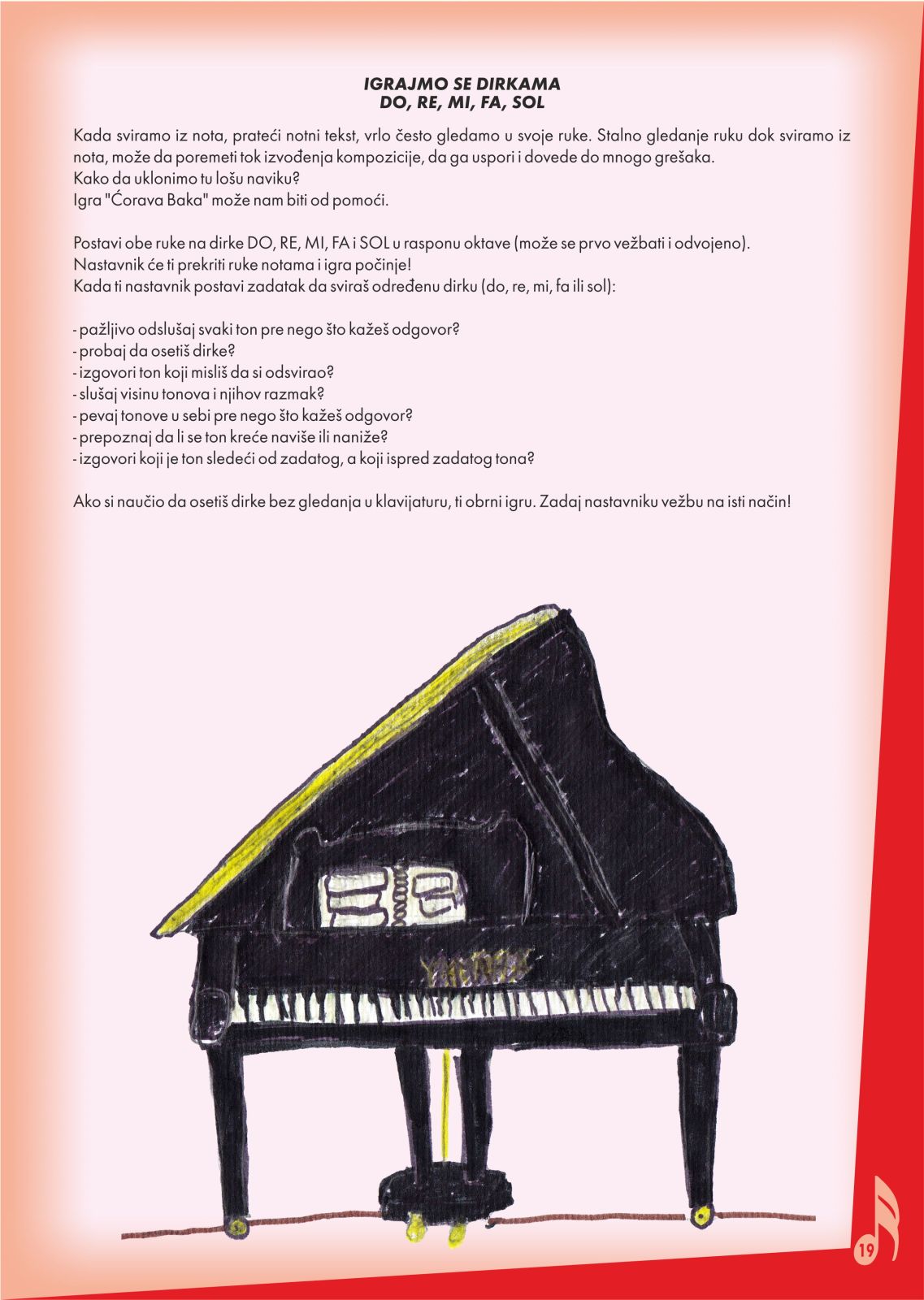
In this book, the problems of learning music, the instrument and notation are treated in a way that is humorous and approachable to children, yet being instructive and fun at the same time. The substantial difference between the traditional piano teaching practice and the methodology presented in this book is that the new method does not single out or develop specific characteristics but respects the child as an expressive whole. The methods of the development of children’s music expression are in coordination with their natural abilities.
With regard to the fact that there is a limited number of methodological studies of this kind, most of which are dated, this book is a long awaited contribution to our education system both in terms of fresh material and methodological approach. Therefore, I warmly recommend it to everyone dealing with questions of children’s music education in our country, hoping it will find its broader application.
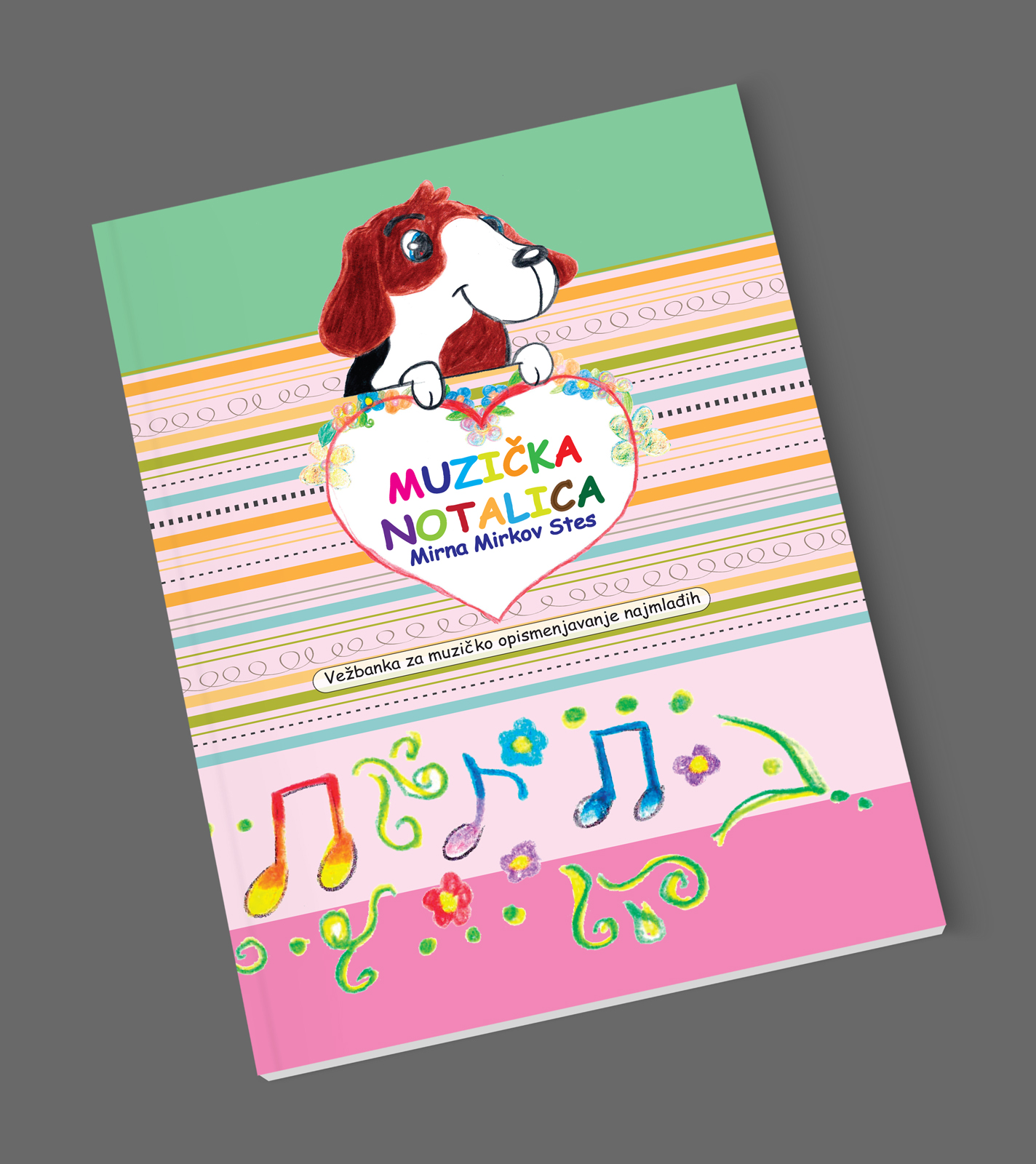
Here we have a book by Mirna Mirkov Stes - Piano Thoughts by and for Kids. After a long time, it is a new handbook for piano novices, which originates from the recent generation of pedagogues. The book contains a new and original approach that incorporates the natural abilities and emotional world of a child, with carefully designed progression. It also incorporates effective and witty depiction of the notation material, trying to help children express themselves in the four-hand play and hence step into the world of little pianists.
The new book by Mirna Mirkov Stes titled Piano Thoughts by and for Kids presents a new piano method that has a goal to encourage children to express their inner world and emotions. This kind of work also encourages creative thinking and leads to the acquisition of long-term and photographic memory that is so important in later developmental stages, especially when it comes to public performance.